In the world of industrial construction and manufacturing, material selection is the foundation of success. The longevity, safety, and efficiency of any structure depend heavily on the materials chosen at the design stage. Engineers and project managers frequently ask, what are durable metals? The answer goes beyond simple hardness; it encompasses a material’s ability to withstand wear, pressure, and environmental stress over time.
Choosing the right material is critical when planning a complex project involving Metal Fabrication. If you select a metal that cannot handle the specific operating environment, you risk catastrophic failure and costly downtime. Understanding the specific properties of different alloys allows you to build structures that last for decades.

Defining Durability in Metallurgy
Durability is not a single characteristic. It is a combination of several mechanical and chemical properties. A metal might be incredibly hard, meaning it resists scratching, but it could also be brittle, meaning it shatters under impact.
- True durability in an industrial context usually requires a balance of three things:
- Yield Strength: The ability to bear weight without permanently deforming.
- Toughness: The ability to absorb energy and resist fracturing under impact.
- Corrosion Resistance: The ability to withstand oxidation, rust, and chemical degradation.
Understanding the Importance of Stainless Steel Grades

Top Contenders for Durability
When we analyze what are durable metals for heavy-duty applications, a few specific materials stand out. Each serves a unique purpose based on the demands of the project.
1. Steel (Carbon and Stainless)
Steel is the undisputed king of construction. Carbon steel offers immense tensile strength and is cost-effective, making it the standard for structural beams and heavy machinery. However, it is prone to rust if untreated.
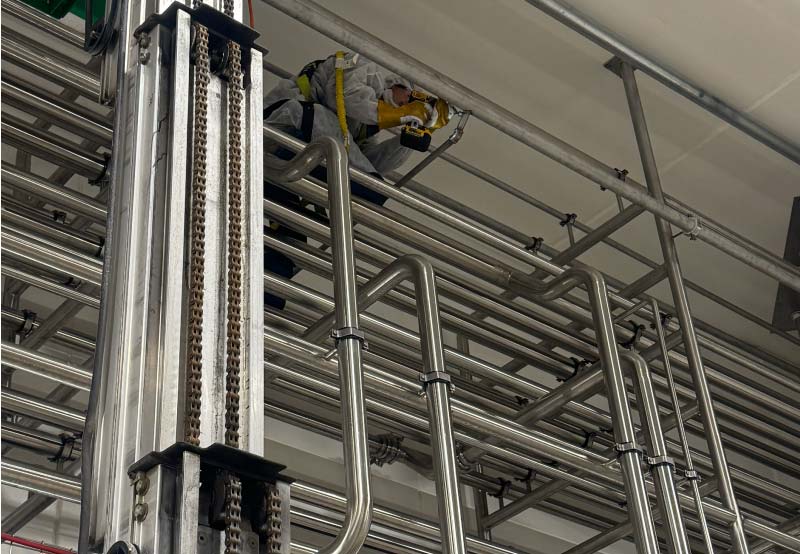
Stainless steel, on the other hand, contains chromium. This addition creates an invisible layer that resists rust and corrosion. This makes it the material of choice for sanitary Tubing Systems found in food processing plants and medical facilities.
2. Titanium
Titanium is renowned for having the highest strength-to-weight ratio of any natural metal. It is as strong as steel but significantly lighter. It is also practically immune to corrosion from salt water and chemicals.
Because of these properties, titanium is often used in aerospace, marine applications, and high-end industrial processing equipment.
3. Tungsten
If we are talking about pure hardness, tungsten wins. It has the highest melting point of all metals and is incredibly scratch-resistant. However, it is brittle and difficult to work with. It is rarely used for structural building, but is essential for cutting tools and wear-resistant machinery parts.

Processing and Maintenance Factors
Even the most durable metal can fail if it is processed incorrectly. Heat distortion during cutting can weaken the molecular structure of an alloy. This is why advanced methods like Water Jet Cutting are often preferred. Water jetting cuts through thick, hard metals without generating heat, preserving the material’s inherent strength.
Furthermore, the method of joining these metals is crucial. A chain is only as strong as its weakest link, and in piping or structural frames, that link is the weld. Expert Metal Pipe Welding ensures that the joints maintain the same durability as the base material.
However, durability does not mean “maintenance-free.” Even the toughest structures require routine inspections. Regular Industrial Maintenance is vital to identify early signs of fatigue, stress fractures, or coating failures before they compromise the system.
Making the Right Choice
Selecting a durable metal involves analyzing your environment. Is the structure exposed to saltwater? Is it under constant high pressure? Will it face extreme heat?
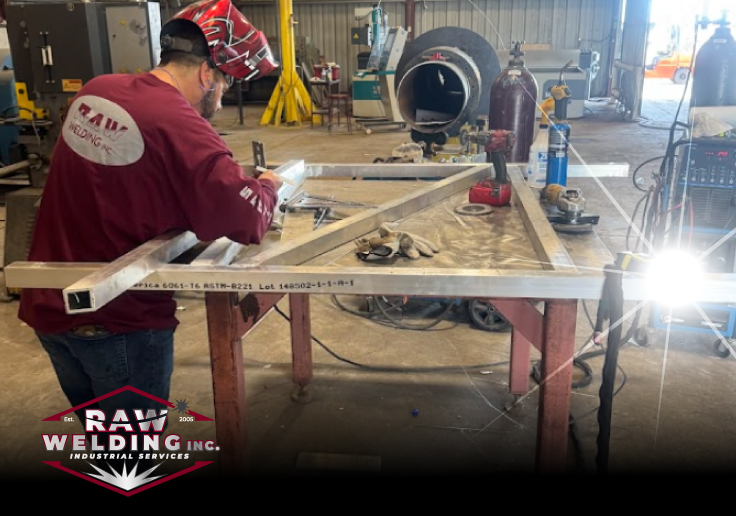
For example, Inconel is a superalloy used in jet engines because it maintains strength at extreme heat. Conversely, aluminum is durable because it creates its own protective oxide layer, making it great for outdoor Building Metal Installation where weight is a concern.
For detailed specifications on material properties and load-bearing capacities, many engineers consult standards published by ASTM International to ensure compliance.

Raw Welding Inc.: Your Partner in Durability
At Raw Welding Inc., we understand that the safety of your facility relies on the integrity of the materials we use. Whether you need heavy structural steel for a refinery or sanitary stainless tubing for food production, we have the expertise to handle the most durable metals in the industry. Our certified team ensures that every cut, weld, and installation is built to withstand the test of time.