RAW Welding’s Expert 2026 Guide
Industrial fabrication often demands materials that can withstand the harshest environments. Galvanized steel is a top choice for its corrosion resistance, but it presents unique challenges when it’s time to join sections together
At RAW Welding Inc., we prioritize safety and precision in every project, especially when dealing with specialized coatings
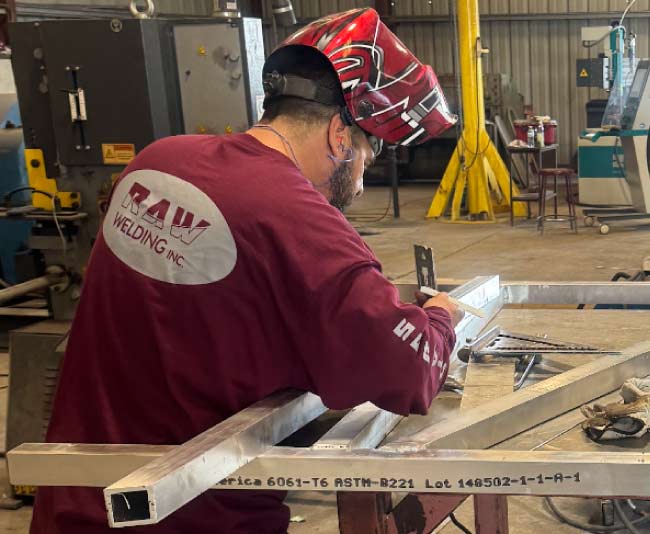
Can You Weld Galvanized Steel Safely?
The short answer is yes, but it requires specialized knowledge and strict safety protocols
Before beginning any project involving metal pipe welding or complex metal fabrication, it is vital to understand how to manage these zinc fumes

The Science: What Happens to Zinc During Welding?
Zinc has a much lower melting point than steel. When you apply a welding torch, the zinc coating boils off, creating a thick, white cloud of zinc oxide fumes
In addition to health risks, the presence of zinc in the weld pool can lead to “zinc embrittlement” or porosity
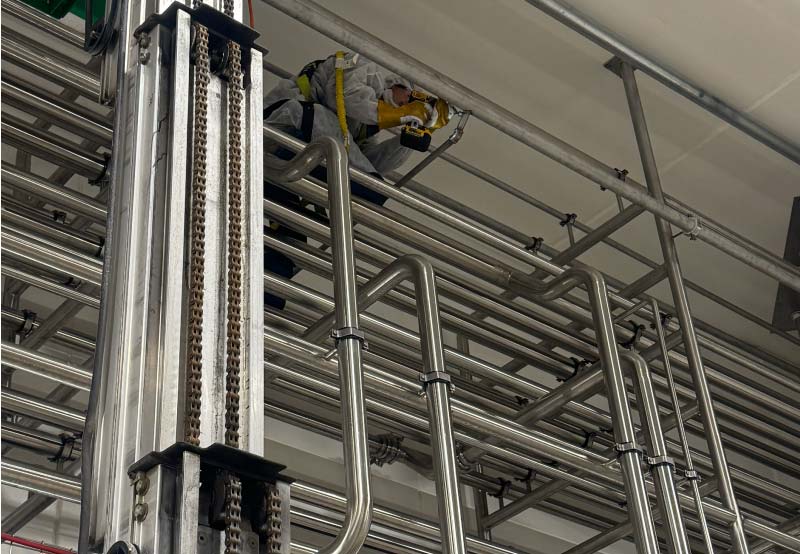
Safety Risks of Welding Galvanized Steel
Safety is the cornerstone of our operations at RAW Welding
Essential PPE and Ventilation
To maintain a safe workspace, we strictly adhere to the following gear requirements:
-
Respiratory Protection: Use a NIOSH-approved respirator with P100 filters specifically designed for metal fumes
. -
Fume Extraction: High-volume localized exhaust ventilation is required to pull fumes away from the welder’s breathing zone
. -
Protective Clothing: Flame-resistant (FR) clothing, leather gloves, and a welding helmet with the appropriate shade
. -
Fresh Air Supply: In confined spaces, a supplied-air respirator may be necessary to ensure the technician is not breathing contaminated air
.
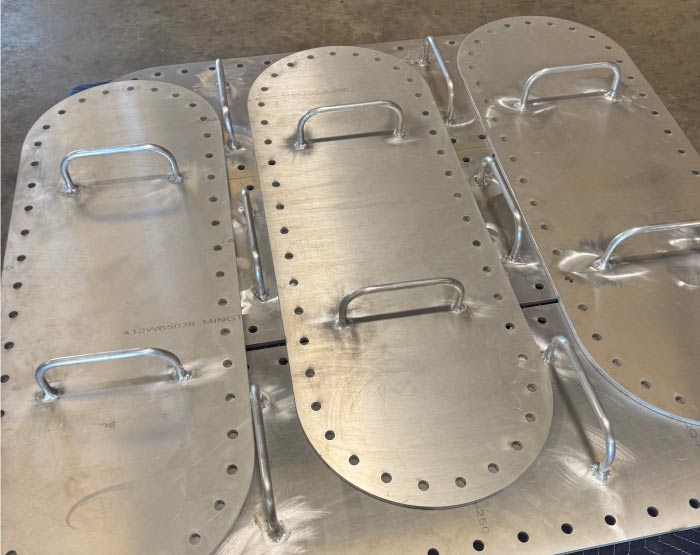
Step-by-Step Process for Industrial Welding
To ensure a high-quality, X-ray-grade weld, RAW Welding Inc. follows a rigorous multi-step preparation and execution process
1. Surface Preparation (The Most Critical Step)
You should never weld directly through galvanization if it can be avoided
-
Grinding: Use a flap disc or grinding wheel to remove the zinc coating at least 1–2 inches back from the weld joint
. -
Verification: Ensure you have reached the base carbon steel; the surface should look shiny and metallic rather than dull grey
. -
Cleaning: Use a specialized cleaner to remove any remaining oils or residues that could contaminate the weld
.
2. Selecting the Right Technique
While MIG and TIG are common, Stick (SMAW) welding is often preferred for welding galvanized pipe in field conditions because the flux helps move impurities out of the weld pool
-
Heat Control: Slightly higher heat may be required to ensure any residual zinc is vaporized ahead of the weld pool
. -
Travel Speed: A slower travel speed can allow more time for gases to escape, reducing porosity
.
3. Post-Weld Treatment
Once the weld is complete and cooled, the area where the galvanization was removed is now vulnerable to rust
-
Cleaning: Wire brush the weld to remove slag and soot
. -
Cold Galvanizing: Apply a zinc-rich primer (cold galv spray) to restore corrosion resistance to the joint
.

Industrial Applications: Welding Galvanized Pipe
In industries like oil & gas, food processing, and renewable energy, galvanized piping is a staple for water and air lines
At RAW Welding, we utilize industrial metal fabrication techniques to ensure these systems remain leak-proof and durable
.
Whether it is 5-inch thick steel cut by our water jet or intricate tubing, we treat every joint with the precision it deserves
FAQ’s
Is welding galvanized steel toxic?
Yes, the zinc oxide fumes produced during the process can lead to zinc fume fever, a flu-like condition. Long-term exposure without proper PPE can lead to more serious respiratory issues.
Do you have to grind off galvanizing before welding?
It is highly recommended. Grinding ensures a cleaner weld, reduces the volume of toxic fumes, and prevents structural defects like porosity and cracking.
Can you weld galvanized steel with a MIG welder?
Yes, but you must use the correct wire and gas shielding. Using a flux-cored wire can often produce better results when welding through thin layers of zinc.
What are the symptoms of zinc fume fever?
Symptoms typically include chills, fever, nausea, and a metallic taste in the mouth. These usually appear several hours after exposure.
How do you protect the metal from rust after welding?
After cleaning the weld, you must apply a zinc-rich “cold galvanizing” compound to the exposed steel to prevent oxidation and maintain the integrity of the coating.
Why Choose RAW Welding Inc.?
Since 2005, RAW Welding Inc. has been a leader in industrial services across the United States. Founded by Ruben Espinosa, our company was built on a foundation of “RAW” talent—a name inspired by the support of Ruben and his wife, Ana. We are a 24/7 operation specializing in emergency response, scheduled outages, and complex pipe fittings.
Our team holds the prestigious R Stamp certification, allowing us to perform critical pressure vessel repairs and alterations. We are fully OSHA and MSHA compliant, ensuring that every project—from the oil fields to food processing plants—is completed with the highest safety and quality standards in the industry.
For more information on safety standards, you can visit the American Welding Society.
Need expert fabrication or 24/7 emergency repair? Contact RAW Welding Inc. at 661-387-5950.