Maintaining the integrity of pressure-retaining items is a high-stakes responsibility for any industrial facility. R-Stamp Compliance is the gold standard, ensuring that repairs and alterations meet the rigorous safety standards of the National Board Inspection Code (NBIC). Whether you are preparing for an official audit or conducting an internal review, a structured checklist is essential for safety and legal adherence.
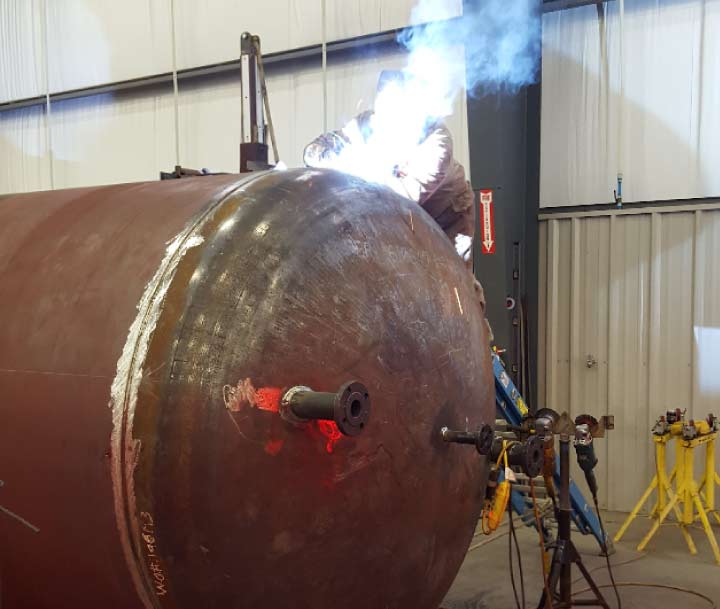
A successful audit begins with a deep understanding of your quality control system. Before the National Board representative arrives, you must verify that every weld, material, and document aligns with the code. If your facility requires integrated support during these critical periods, our experts in
Phase 1: Documentation & Certification
Documentation is the backbone of any successful audit. You must be able to prove that every repair was performed by qualified personnel using approved methods. Ensure your records are organized and easily accessible for the inspector.
-
Quality Control Manual: Verify that your manual is up-to-date and signed by the current Quality Control Manager.
-
Weld Procedure Specifications (WPS): Confirm that all welding procedures are properly qualified and documented.
-
Welder Performance Qualification (WPQ): Check that every technician is certified for the specific processes and positions required for the repair.
-
Material Test Reports (MTRs): Track all materials back to their origin to ensure they meet ASME specifications.
Phase 2: Material Control & Traceability
Material integrity is non-negotiable. During your pre-audit walk-through, inspect how materials are stored and identified. This helps prevent errors and ensures the longevity of your equipment.
-
Heat Number Traceability: Ensure heat numbers are clearly visible on all plates, pipes, and fittings.
-
Segregation of Materials: Clearly separate non-compliant or scrap materials from code-approved stock to avoid cross-contamination.
-
Precision Preparation: Use high-quality cutting methods to prepare materials without creating large heat-affected zones.
-
Filler Metal Control: Store welding electrodes in ovens at the correct temperature to prevent moisture contamination.
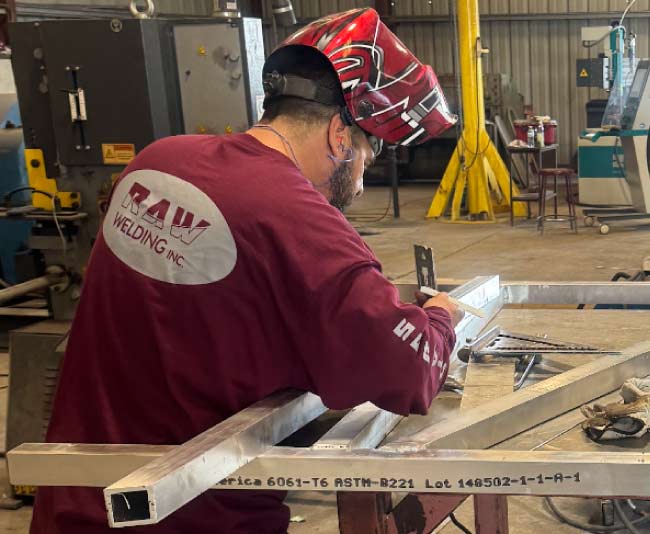
Phase 3: Physical Inspection & Welding
The physical state of your shop and the vessel itself will be scrutinized. Use this phase to identify the physical Signs Your Metal Structure Needs Repair before the official inspector arrives.
-
Calibration Logs: Confirm that all welding machines and pressure gauges have current calibration tags.
-
In-Process Inspection: Document the required hold points where a Quality Control Manager or Authorized Inspector (AI) must sign off.
-
Non-Destructive Examination (NDE): Ensure all required X-ray or ultrasonic testing reports are organized and ready for review.
-
Safe Access: Provide the inspector with stable and safe access to every weld being reviewed.
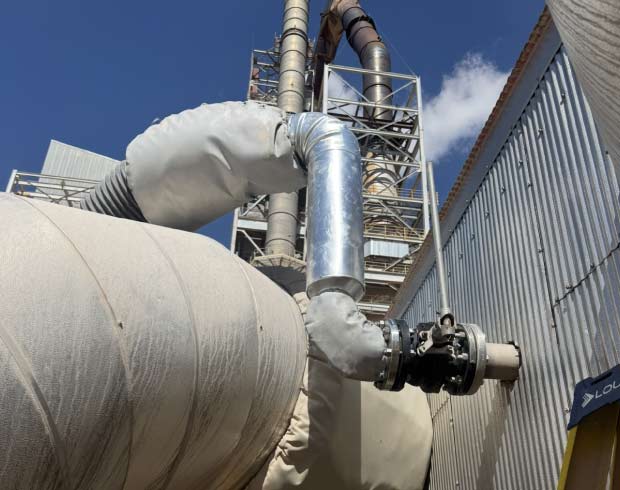
Phase 4: Final AI Review & Form Completion
The Authorized Inspector (AI) is your partner in safety. During the pre-audit, walk through the “R” Form (Report of Repair or Alteration) to ensure all data is accurate and matches the physical work performed.
-
“R” Form Accuracy: Double-check that the description of work on the form matches the physical repair exactly.
-
Hydrostatic Testing: Ensure testing equipment is calibrated and all test parameters are documented.
-
National Board Coordination: Ensure all repairs are registered correctly to maintain R-Stamp Compliance across your fleet.
-
Operational Integration: For repairs involving complex systems, our
Metal Pipe Welding
For more information on national standards, you can visit the
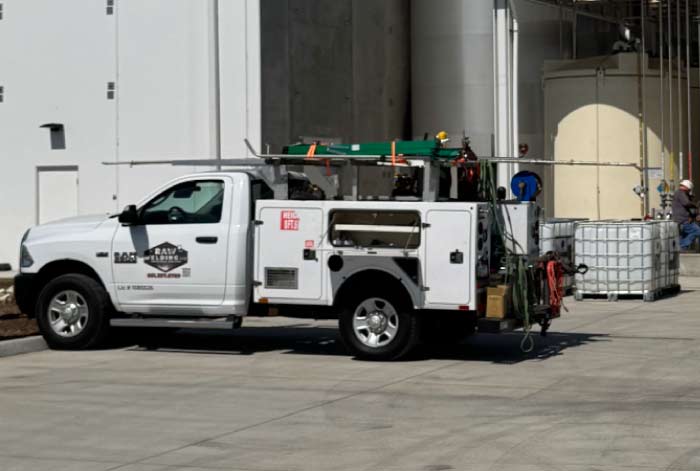
About RAW Welding Inc.
RAW Welding Inc. is a premier industrial contractor with over 20 years of experience serving the United States
FAQ
What is the National Board R-Stamp?
The R-Stamp is an accreditation issued by the National Board of Boiler and Pressure Vessel Inspectors. It authorizes a company to perform metallic repairs and alterations to pressure-retaining items.
How long is an R-Stamp certification valid?
Generally, R-Stamp certificates of authorization are issued for a three-year period, after which the company must undergo a review for renewal.
Is an R-Stamp required for all welding repairs?
It is required specifically for repairs and alterations made to pressure vessels, boilers, and other pressure-retaining items that were originally manufactured to ASME code.
What is the difference between a repair and an alteration?
A repair restores a vessel to its original condition, while an alteration changes the physical dimensions or design pressure/temperature of the vessel.
Do I need an Authorized Inspector (AI) for every R-Stamp job?
Yes, the NBIC requires that an Authorized Inspector be involved in the repair or alteration process to verify that the work complies with the code.